On Valentine’s Day, 14 February 1989, the Stasi recorded my identifying details at Andreasstraße in Erfurt.
Watch the video on YouTube:
How the Stasi carried out arrests
Methods, control and intimidation in the GDR
Watch the video (German).
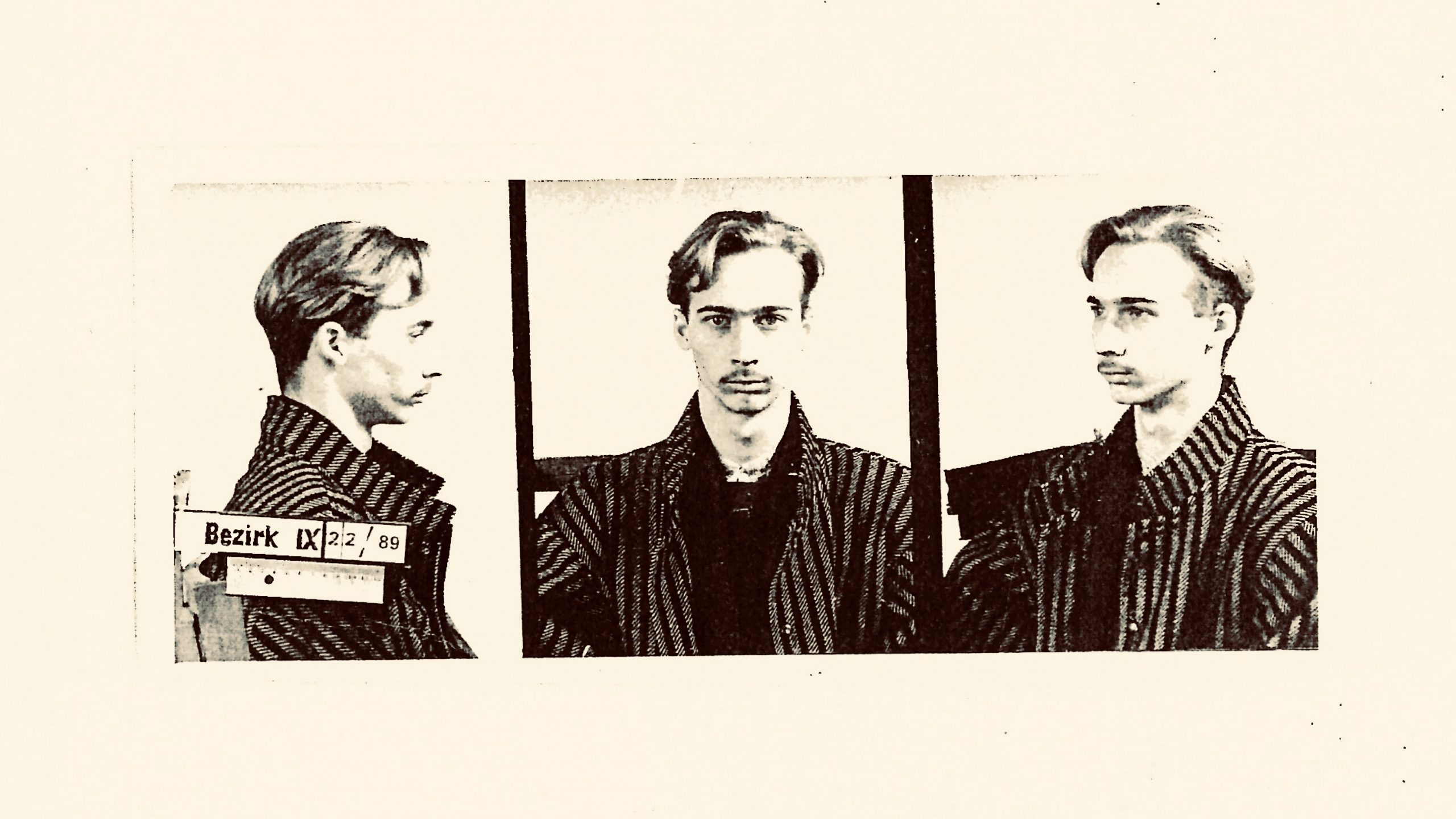
The Stasi’s identification procedures during an arrest combined police and intelligence methods that went far beyond normal legal boundaries. Arrests, often of political dissenters, followed a systematic pattern. Detainees were frequently taken to remand prisons, where prolonged interrogation, sleep deprivation and intimidation generally followed. They were questioned repeatedly, often about the people around them and their political contacts. The Stasi could also use threats, blackmail or falsification to obtain confessions. There was no independent oversight or judicial body to review its actions.
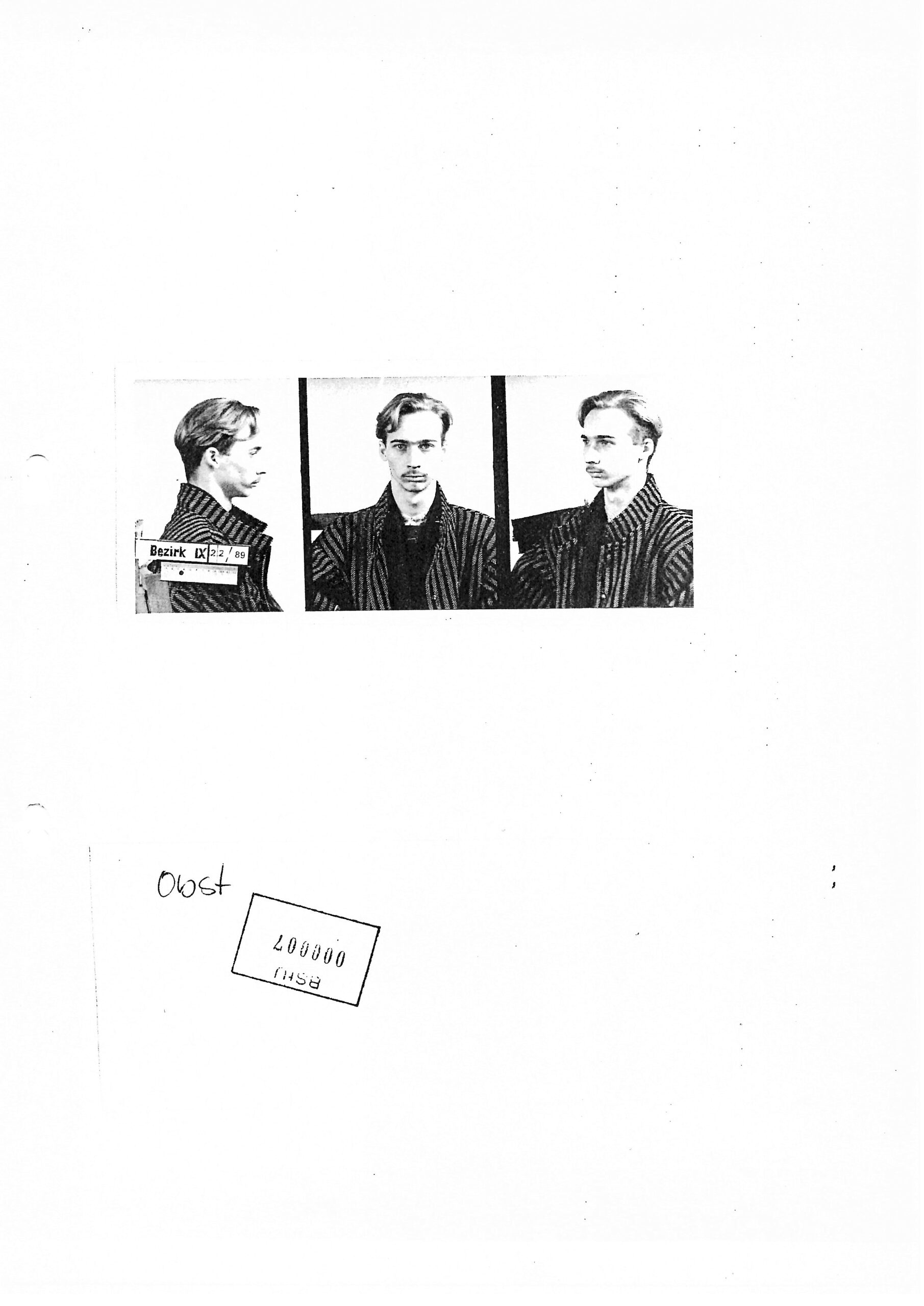
During identification procedures, fingerprints, photographs and distinctive physical characteristics — such as tattoos and scars — were recorded. These measures served to identify people and formed part of the Ministry for State Security’s apparatus of repressive control. Interrogations often involved physical and psychological pressure to maintain control over those affected and isolate people considered politically undesirable.
The interrogation itself was a psychologically planned contest of wills. Questioning often continued over several days. Stasi officers used sleep deprivation, threats and constant intimidation to break resistance and force incriminating statements. Every interrogation was recorded in minute detail. This concerned not just questions and answers, but also the interplay of the prisoner’s gestures, facial expressions and reactions. The recorded details formed a kind of map of the person’s psychological state and became another instrument of control.
Prison conditions were not merely a by-product, but a deliberately employed means of pressure. Isolation, lack of contact with the outside world and continuous surveillance intensified psychological strain. Together, these created a system intended to undermine the individual while securing the GDR’s political dominance.
The Stasi worked closely with other state security bodies, including the Transport Police and the People’s Police. Identification procedures formed part of a comprehensive system of surveillance and repression based on fear and intimidation. An arrest was often only the first step in extensive measures of control and psychological destabilisation directed at people and their social networks [1][4][16].
The principal features were:
- Transfer to pre-trial detention after arrest, followed by interrogations involving severe psychological strain, sleep deprivation and intimidation.
- Identification procedures including photography, fingerprinting and the recording of distinctive physical features.
- The Stasi’s frequent crossing of legal boundaries through pressure, blackmail and falsification.
- The absence of independent oversight; procedures followed the SED’s political line.
- Cooperation with other security bodies, including the Transport Police and the People’s Police, to support these measures.
These procedures formed part of the Stasi’s broader repressive treatment of political opponents and suspects in the GDR.
Sources (German; original publication titles retained):
- Die Methoden der Stasi — Federal Archives
- Stasi-Hafterfahrungen: Selbstvergewisserung und Renitenz
- Die Verhörtechniken der Stasi — Das perfide System
- Tod in Stasi-U-Haft — Federal Archives
- Die Stasi: Der DDR-Überwachungsapparat von 1950 bis 1990 — NDR
- Haft in der DDR — Die Gefangenen der Stasi
- Privatsphäre — Demokratie statt Diktatur
- Protokoll über die Vernehmung Hans-Jürgen Bäckers
- Wo die Wende nicht stattfand: In U-Haft bei der Stasi — NDR
- Politisch gefangen — DDR
- Staatssicherheit — Federal Archives